March 5, 2026
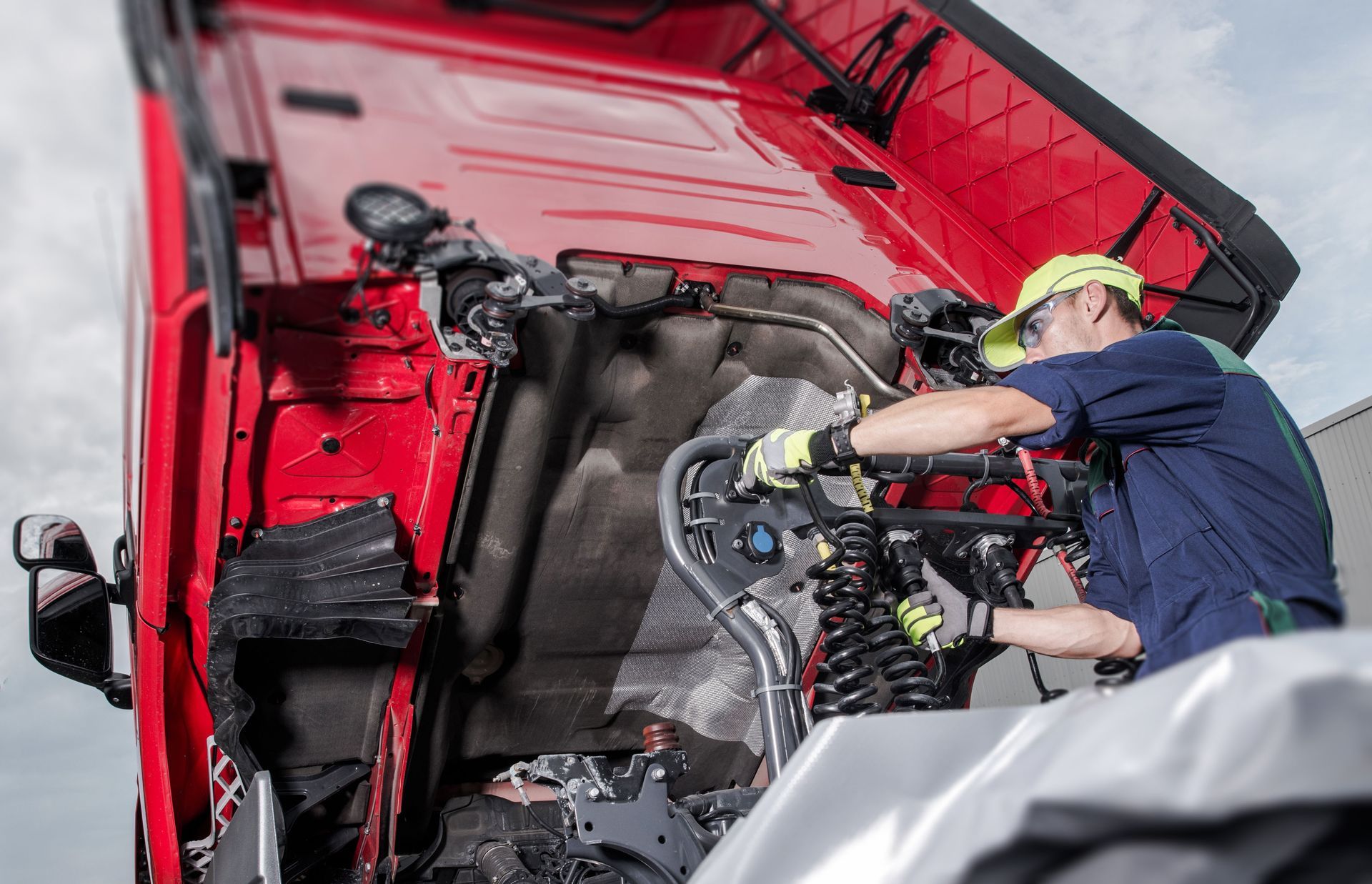
Running a commercial fleet is a constant balancing act between productivity, safety, compliance, and cost control. Every truck on the road represents revenue, but it also represents risk if it is not properly maintained. Breakdowns rarely happen at convenient times, and unplanned repairs can derail schedules, damage customer relationships, and inflate operating costs. That is why regularly scheduled fleet truck repairs are not just the best practice but a strategic necessity for fleet managers who want predictable performance and long-term asset value.
A proactive repair and maintenance strategy helps fleets avoid costly surprises, extend vehicle lifespan, and maintain compliance with regulatory standards. More importantly, it creates operational consistency. When trucks are serviced on a schedule instead of in crisis mode, businesses gain control over downtime, budgeting, and safety outcomes. The following sections explore why scheduled repair programs are essential and how they support every aspect of fleet performance.
Reducing Unplanned Downtime and Operational Disruptions
Understanding the High Cost of Roadside Breakdowns
Unplanned breakdowns are one of the most expensive events a fleet can experience. Beyond the immediate repair bill, there are towing costs, lost driver hours, missed deliveries, and potential penalties for late shipments. A single disabled truck can disrupt an entire route or project timeline, especially in industries that rely on just-in-time logistics.
Scheduled repair programs are designed to catch issues before they escalate into failures. Components such as brake systems, cooling systems, drive-line assemblies, and electrical connections often show warning signs long before they fail. Addressing those issues during planned service windows dramatically reduces the likelihood of roadside emergencies.
Using Preventive Repairs to Improve Scheduling Accuracy
Fleet operations depend on accurate scheduling. When trucks are reliable, dispatchers can plan routes with confidence, and customers receive consistent service. Unscheduled repairs introduce uncertainty, forcing last-minute changes that ripple across the operation.
Regularly planned fleet truck repairs create predictability. Maintenance events are scheduled around operational needs, allowing managers to stagger service appointments and keep enough vehicles available to meet demand. This structured approach minimizes disruption and ensures that repairs support, rather than hinder, daily operations.
Avoiding the Trap of Inconsistent Scheduling
Many fleets fall into a reactive maintenance pattern, addressing issues only after a failure occurs. While this approach may appear to save money in the short term, it often leads to higher costs over time. According to data shared by Fleetio, 48% of fleets operate in a mixed environment where some maintenance is scheduled while the rest happens unexpectedly. This split approach often results in inconsistent outcomes and avoidable downtime.
Fully committing to scheduled fleet truck repairs allows fleets to move away from reactive decision-making and toward a controlled, data-driven maintenance strategy.
Supporting Driver Confidence and Retention
Drivers are more productive and engaged when they trust their equipment. Frequent breakdowns create frustration, safety concerns, and stress, all of which contribute to turnover. In a competitive labor market, reliable equipment can be a meaningful differentiator.
When drivers know their trucks receive consistent inspections and timely repairs, they are more likely to report minor issues early and take pride in their equipment. This feedback loop further strengthens maintenance outcomes and supports a safer, more stable workforce.
Extending Vehicle Life and Controlling Long-Term Costs
Protecting Major Components Through Timely Service
Heavy-duty trucks are complex machines with interconnected systems. A failure in one area often accelerates wear in others. For example, neglected cooling system issues can lead to overheating, which damages engine components and shortens overall engine life.
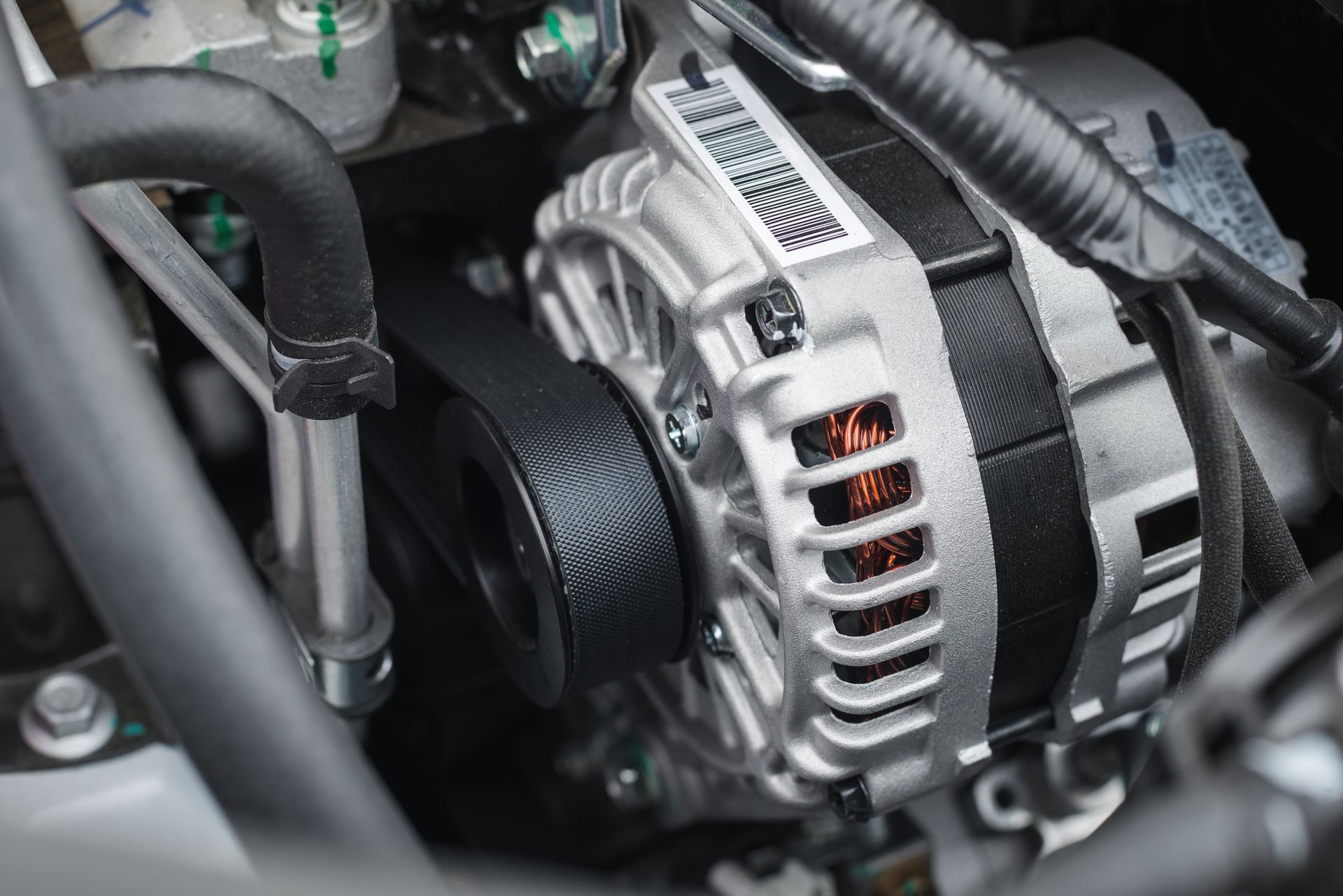
Scheduled repair programs prioritize early intervention. By addressing wear patterns, fluid degradation, and component fatigue on a routine basis, fleets protect high-value systems such as engines, transmissions, axles, and emissions equipment. This approach significantly extends vehicle service life and delays costly replacements.
Lowering Total Cost of Ownership
The true cost of a fleet vehicle extends far beyond its purchase price. Fuel efficiency, maintenance expenses, downtime, and resale value all factor into the total cost of ownership. Regular fleet truck repairs play a central role in controlling these variables.
Well-maintained trucks operate more efficiently, consume less fuel, and experience fewer catastrophic failures. Over time, these savings compound, making scheduled repairs one of the most cost-effective investments a fleet can make.
Improving Budget Forecasting and Cost Predictability
Reactive repairs are difficult to budget for. Emergency failures often require premium parts pricing, expedited labor, and after-hours service. These unexpected expenses can strain maintenance budgets and complicate financial planning.
Scheduled repair programs shift costs from unpredictable spikes to planned expenditures. Fleet managers can forecast maintenance spending with greater accuracy, allocate resources more effectively, and avoid the financial shock of emergency repairs.
Preserving Asset Value and Resale Potential
Trucks that receive consistent service retain more value over time. Maintenance records demonstrate responsible ownership and assure future buyers. Vehicles with documented repair histories often command higher resale prices and move more quickly in secondary markets.
By investing in regular repairs, fleets protect their assets and improve long-term financial flexibility when it comes time to rotate or expand equipment.
Enhancing Safety, Compliance, and Fleet Reputation
Meeting DOT and Regulatory Requirements
Commercial vehicles operate under strict regulatory oversight. Brake performance, lighting, emissions systems, and structural integrity are all subject to inspection. Failure to meet these standards can result in citations, fines, and forced downtime.
Scheduled repair programs ensure that trucks are consistently inspected and serviced in alignment with regulatory requirements. Routine checks reduce the risk of violations and help fleets pass inspections with confidence.
Reducing Accident Risk Through Proactive Maintenance
Mechanical failures contribute to preventable accidents. Worn brakes, steering issues, tire problems, and electrical failures all pose serious safety risks. Addressing these issues proactively protects drivers, cargo, and the public.
Regular fleet truck repairs focus on safety-critical systems, identifying potential hazards before they compromise vehicle control or stopping ability. This proactive approach significantly reduces accident risk and associated liability.
Strengthening Brand Reliability and Customer Trust
Fleet performance reflects directly on a company's brand. Missed deliveries, breakdown-related delays, and visible equipment issues can erode customer confidence. Conversely, consistent service builds a reputation for reliability and professionalism.
A well-maintained fleet sends a clear message to customers: the business values quality, safety, and dependability. Over time, this reputation becomes a competitive advantage, supporting customer retention and growth.
Supporting Faster Turnaround and Service Consistency
Scheduled repairs also improve turnaround times when service is needed. Technicians familiar with a fleet's maintenance history can diagnose issues more quickly and recommend solutions with confidence. This efficiency reduces time spent in the shop and keeps trucks on the road where they generate revenue.
Regularly scheduled fleet truck repairs are more than a maintenance task. They are a strategic investment in functionality, safety, and long-term profitability. Fleets that commit to proactive repair programs experience fewer disruptions, lower operating costs, and stronger compliance outcomes.
By reducing unplanned downtime, extending vehicle life, and supporting driver confidence, scheduled repairs create a foundation for sustainable growth. In an industry where margins are tight and reliability is critical, disciplined maintenance practices separate high-performing fleets from those constantly reacting to problems.
For fleet managers seeking consistency, control, and confidence in their operations, the path forward is clear. Planned repairs are not an expense to be minimized but a tool to be leveraged. When trucks are serviced on schedule, businesses gain the reliability and resilience needed to keep moving forward. To schedule professional fleet truck repairs or maintenance, reach out to DT Services LLC!