January 17, 2026
In the demanding world of truck driving, understanding the critical components of your diesel truck is essential for maintaining safety, reliability, and efficiency on the road. Long hours, heavy loads, and changing road conditions place constant stress on mechanical systems, making awareness of key components an important part of responsible truck ownership. This guide aims to provide truck drivers with an in-depth look at the most crucial diesel truck parts and how they contribute to the overall performance of the vehicle.
Whether driving locally or across state lines, knowing how diesel truck parts function together helps drivers recognize early warning signs, schedule maintenance proactively, and avoid costly roadside breakdowns. A well-informed driver is better equipped to keep their truck running efficiently while meeting safety and compliance standards.
Engine System Components
The engine system is the heart of any diesel truck, and understanding its essential components is a priority for every truck driver. Many of the most vital diesel truck parts are located within the engine itself, beginning with the turbocharger. This component increases engine efficiency and power by forcing additional air into the combustion chamber, allowing fuel to burn more completely.
Turbochargers play a key role in improving fuel economy and reducing exhaust emissions, which benefits both operating costs and environmental impact. Because they operate under extreme heat and pressure, routine inspections are necessary to catch issues such as oil leaks, worn bearings, or reduced boost pressure.
Moreover, cylinder heads are integral to the diesel engine's operation, sealing the top of the cylinders to form the combustion chamber. These diesel truck parts house the valves and fuel injectors required to regulate air intake, fuel delivery, and exhaust flow. Damage to a cylinder head can lead to power loss, overheating, or coolant contamination.
The fuel injection system is another critical component that ensures the precise delivery of fuel into the engine's cylinders. Among diesel truck parts, injectors and fuel pumps directly influence fuel efficiency, throttle response, and emissions output. According to Kelley Blue Book, it is unsafe and sometimes illegal for a truck to haul a load weighing more than 80% of its total towing capacity, emphasizing the importance of a well-functioning engine when handling demanding workloads.
Beyond routine inspections, understanding early warning signs within the engine system can prevent unexpected downtime. Changes in exhaust color, unusual knocking sounds, or a sudden drop in power often indicate developing issues that should be addressed quickly. Monitoring oil quality and coolant levels also helps identify internal wear before it escalates into larger mechanical failures. Consistent engine diagnostics allow drivers to plan repairs on their schedule rather than reacting to roadside emergencies.
Transmission and Drivetrain
The transmission and drivetrain system transfers power from the engine to the wheels, enabling controlled movement across different terrains. Several diesel truck parts work together within this system, starting with the clutch assembly. The clutch regulates engagement between the engine and transmission, allowing smooth gear changes and preventing excessive wear.
Regular clutch inspections help identify slippage, uneven wear, or hydraulic issues before they cause complete failure. A properly functioning clutch improves drivability, especially when hauling heavy loads or navigating inclines.
At the core of the transmission system is the gearbox, which provides multiple gear ratios to balance torque and speed. These diesel truck parts must be properly lubricated to prevent overheating and internal damage. Consistent gearbox maintenance supports smoother shifting and improved fuel efficiency.
The driveshaft, differential, and transfer case are additional diesel truck parts responsible for delivering torque to the wheels. These components must remain properly aligned and lubricated to handle the stress of heavy hauling. Staying within safe towing limits reduces unnecessary strain on the drivetrain and helps extend component life.
Driver habits also have a direct impact on transmission and drivetrain longevity. Abrupt gear changes, excessive idling in gear, and aggressive acceleration place unnecessary stress on internal components. Smooth shifting techniques and proper warm-up periods allow lubricants to circulate effectively, reducing friction-related wear. Over time, mindful driving helps preserve drivetrain integrity and supports predictable vehicle performance.
Brake System
The brake system is paramount for safety, providing the ability to slow or stop the truck under various conditions. Brake-related diesel truck parts include air compressors, air lines, reservoirs, and valves that work together to deliver reliable stopping power. Regular inspections help identify leaks or pressure inconsistencies before they become hazardous.
Brake chambers and slack adjusters are essential diesel truck parts that convert air pressure into mechanical braking force. Proper adjustment is critical, as worn or misaligned components can significantly increase stopping distances.
Rotors, drums, and anti-lock braking system components are diesel truck parts designed to maintain stability during braking. ABS technology helps prevent wheel lock-up, especially during emergency stops or slippery conditions. Maintaining these components reduces uneven wear and supports safer driving under heavy loads.
Environmental conditions can significantly affect braking performance, especially during long descents, wet weather, or extreme temperatures. Heat buildup from continuous braking can reduce stopping efficiency if components are not properly maintained. Allowing brakes to cool during extended downhill driving and addressing vibration or pulling sensations early helps prevent uneven wear. Proactive brake care supports safer operation under changing road conditions.
Suspension System
The suspension system in diesel trucks plays a critical role in ride comfort, load support, and vehicle control. Diesel truck parts such as leaf springs, air springs, and shock absorbers absorb road impacts and help maintain consistent tire contact with the road surface.
Stabilizer bars and bushings are diesel truck parts that limit excessive body roll during turns and sudden maneuvers. These components are particularly important for trucks operating near capacity, as they help maintain balance and reduce rollover risk.
Routine inspections of suspension components help identify cracked springs, leaking shocks, or worn bushings. Maintaining suspension-related diesel truck parts improves handling, protects cargo, and reduces driver fatigue during long hauls.
Load distribution plays a major role in suspension performance and durability. Uneven cargo placement can cause premature wear on springs, shocks, and mounting points while negatively affecting handling. Properly balancing loads helps maintain consistent ride height and steering response. Periodic alignment checks further support suspension health and reduce irregular tire wear.
Cooling System
The cooling system regulates engine temperature and prevents overheating during operation. Diesel truck parts such as the radiator, thermostat, and water pump circulate coolant to remove excess heat generated by combustion.
Cooling fans and coolant reservoirs are additional diesel truck parts that support temperature regulation, especially during extended idling or heavy hauling. Failure within the cooling system can lead to engine damage, warped components, or costly repairs.
Overloading increases engine workload and heat generation, placing additional strain on cooling-related diesel truck parts. Staying within manufacturer-recommended limits helps maintain optimal temperatures and protects engine longevity.
Seasonal changes can influence cooling system performance, making routine checks especially important before extreme weather. Cold temperatures may affect coolant concentration, while high heat places added strain on hoses and seals. Flushing the system at recommended intervals helps remove debris and mineral buildup that restrict flow. Preventive cooling maintenance reduces the risk of overheating during demanding operating conditions.
Electrical System
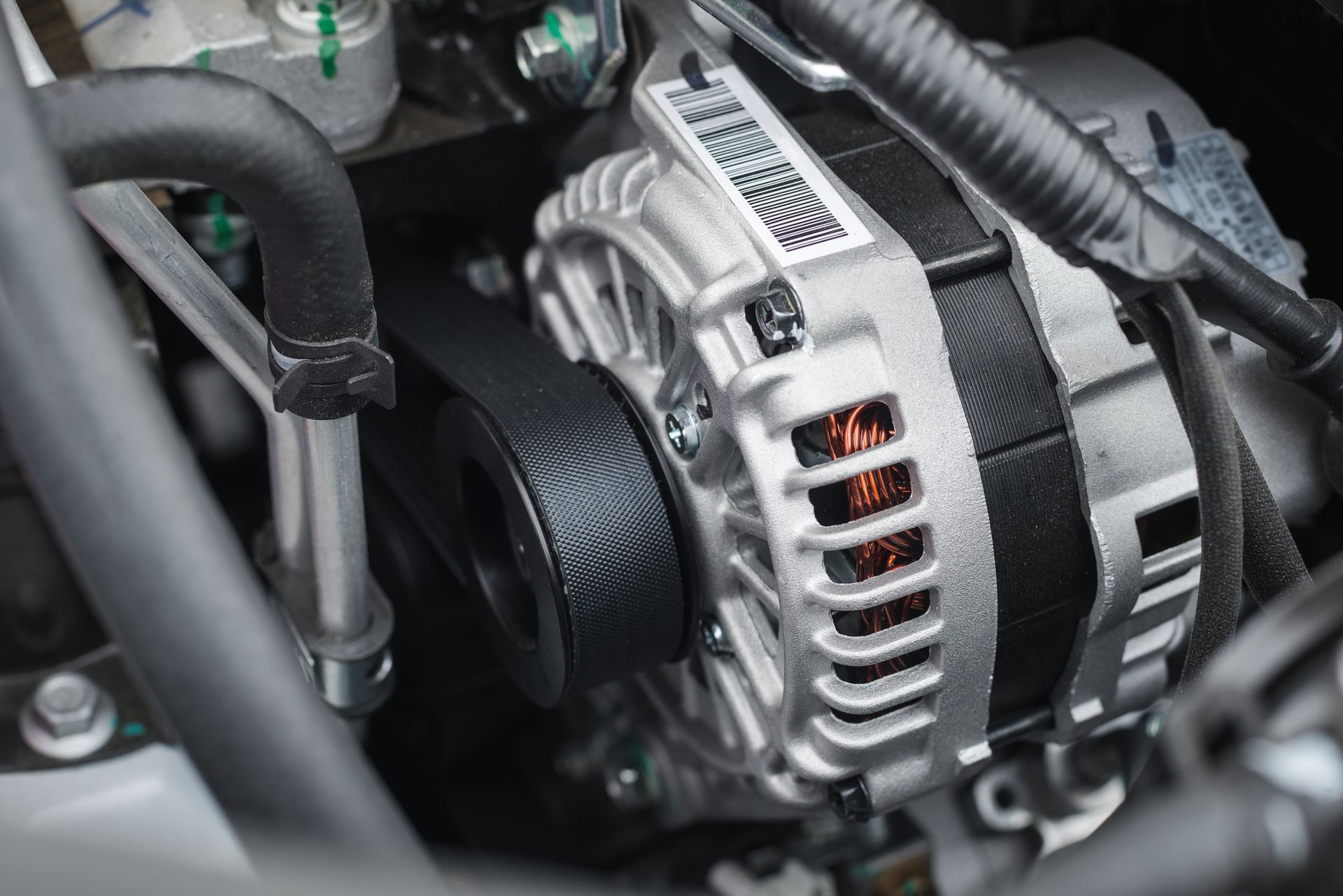
The electrical system powers essential systems throughout the truck, supporting both safety and operational efficiency. Diesel truck parts such as batteries, alternators, and wiring harnesses supply consistent electrical power for starting, lighting, and onboard electronics.
The starter motor and fuse box are diesel truck parts that protect circuits and enable reliable ignition. Electrical failures can result in unexpected downtime, making regular testing and inspections an important maintenance step.
Well-maintained electrical diesel truck parts support proper signaling, visibility, and communication with other drivers. Reliable lighting and control systems are critical for compliance with road safety regulations and for maintaining safe driving conditions.
Modern trucks rely heavily on electronic controls, making electrical reliability more important than ever. Corrosion at terminals, damaged wiring insulation, or weak grounding points can cause intermittent issues that are difficult to diagnose. Regular visual inspections and voltage testing help catch small electrical problems early. Keeping the electrical system in good condition supports consistent operation across all vehicle systems.
Understanding and maintaining critical diesel truck parts is essential for long-term reliability, safety, and performance. Each system plays a role in keeping a truck operational under demanding conditions, and neglecting maintenance can lead to costly breakdowns. Regular inspections, timely repairs, and informed driving habits help extend vehicle life and reduce downtime. Contact DT Services LLC today for more.