July 24, 2026
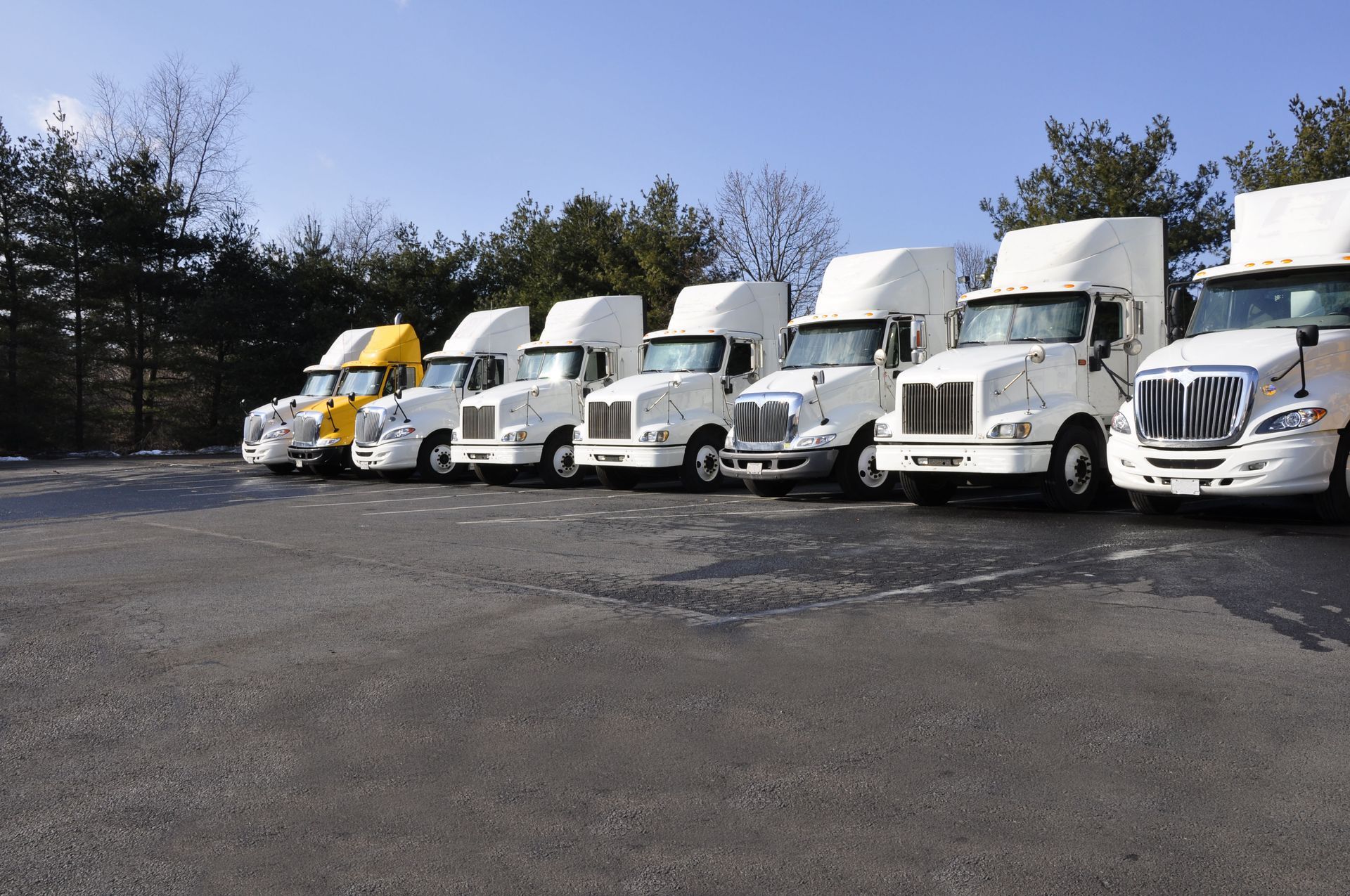
In the modern logistics and transportation industry, maintaining consistent vehicle uptime is the cornerstone of operational profitability and customer satisfaction. When vehicles sit idle due to mechanical failures, delivery windows are missed, revenue drops, and overhead costs climb rapidly. Proactive maintenance offers a structured alternative to traditional reactive management by focusing on routine upkeep to keep assets roadworthy. This approach helps logistics businesses mitigate the frequent challenges of unexpected breakdowns, skyrocketing repair expenses, and hazardous driving conditions. Implementing a comprehensive strategy allows companies to safely prolong the lifespan of their vehicles while sustaining daily workflow continuity. By establishing clear guidelines for preventative scheduling, transportation businesses can take complete control of their logistical outcomes.
The shift toward a preventative model transforms how fleet operations handle daily mechanical challenges across entire distribution networks. Rather than waiting for a component to break on the highway, managers use predictive planning to keep assets operating at peak efficiency. This framework addresses the root causes of systemic mechanical wear, enabling better resource allocation and higher structural productivity. By establishing a culture centered on operational readiness, transportation enterprises can protect their heavy equipment investments and build a reputation for total reliability. Ultimately, prioritizing preventative care serves as a foundational element for any transportation business aiming to maintain a competitive advantage in a fast-paced market.
Reducing Unexpected Breakdowns Through Preventative Inspections
Regular maintenance checks allow fleet managers to identify potential issues before they escalate into major problems. According to MetaPress's The Real Cost of Truck Downtime Report (February 2026), disciplined preventive maintenance programs reduce roadside failures by 25 to 30%. This significant reduction in breakdowns not only saves time but also prevents costly delays in delivery schedules. By keeping trucks moving safely along scheduled routes, companies can consistently meet tight shipping deadlines and build stronger long-term relationships with their distribution partners.
Minimizing roadside failures requires a systematic tracking system that monitors the exact physical wear on every vehicle component over time. When shipping operations eliminate unexpected engine stalls or brake failures, they can easily maintain an optimized delivery schedule. This systematic oversight shifts the corporate culture from a chaotic environment of crisis management to an orderly process of scheduled component upgrades. Over time, the massive drop in emergency roadside events helps distribution departments protect cargo integrity and reduce late-delivery penalties. The less time you spend dealing with roadside issues, the more productive your fleet can be and handle regular activities without as much worry.
Maximizing Long Term Cost Savings and Financial Predictability
Investing heavily in systematic mechanical upkeep reduces the massive expenditures associated with emergency towing and rushed part replacements. While routine inspection cycles require upfront financial allocations, these small investments prevent the catastrophic engine or transmission failures that drain corporate budgets. Well-maintained logistics assets experience much lower rates of compounding wear, which protects auxiliary systems from early degradation. This fiscal discipline allows transport organizations to budget accurately, avoiding sudden capital outlays that disrupt cash flow.
In addition to avoiding expensive emergency service fees, businesses can optimize their secondary operational expenses through consistent fluid and filter changes. Cleaner engines run with significantly better fuel economy, which compounds into massive savings across a large distribution network. Standardized service intervals also minimize the need to rent temporary replacement vehicles to cover unexpected gaps in active delivery routes. By controlling these variables, logistics corporations maximize their profit margins and preserve valuable capital for long-term organizational expansion.
Ensuring Safety and Total Regulatory Compliance on the Highway
Upholding strict safety standards remains a core duty for any professional logistics operation handling large commercial vehicles. Strategic maintenance plans protect vehicle operators and civilians by guaranteeing that steering mechanisms, brake pads, and tire treads meet safety criteria. Regular evaluations identify microscopic hairline fractures or slow air leaks that could lead to dangerous highway accidents if left unaddressed. Prioritizing these inspections creates a safe workplace environment and lowers the likelihood of severe vehicular accidents.
Beyond protecting human lives, structured mechanical oversight ensures total alignment with evolving regional and national transportation laws. Commercial fleets must pass rigorous environmental emissions inspections and safety audits to retain their operating permits and avoid heavy government fines. Maintaining detailed service logs provides irrefutable proof of compliance during roadside DOT inspections, protecting the company from legal liabilities. This commitment to safety helps logistics organizations build a clean corporate record, which often results in lower insurance premiums.
Managing Extended Vehicle Lifespans and Enhancing Resale Value
Proactively servicing commercial transport vehicles directly influences the total operational lifespan of a company's physical assets. Internal combustion engines and heavy-duty drivetrains function far more efficiently when clean oil, fresh coolant, and calibrated belts are consistently provided. This prolonged durability reduces the urgent need for frequent, capital-intensive vehicle acquisitions, allowing firms to extract maximum utility from each unit. Keeping vehicles operational for extra years gives logistics firms more flexibility when planning long-term infrastructure changes.
When the time eventually comes to cycle older models out of an active shipping rotation, a well-documented maintenance history increases resale value. Secondary buyers pay premium prices for commercial assets that possess comprehensive service verifications detailing every oil change and system flush. This residual value provides transport firms with an influx of liquid capital that can be directly reinvested into modern technologies. Consequently, careful asset management enhances the long-term balance sheet of any logistics organization.
Utilizing Telematics Data and Advanced Diagnostic Tools
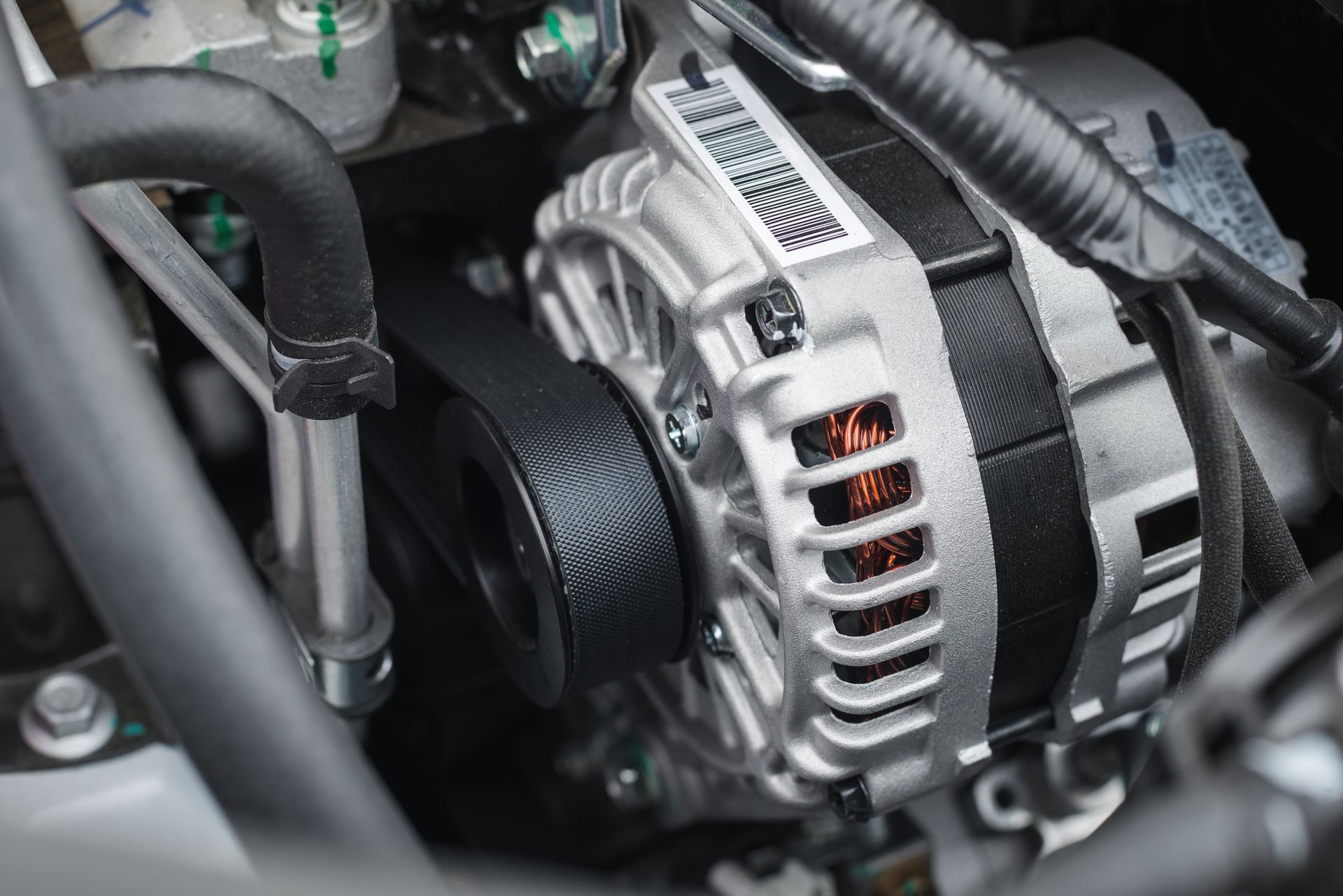
Modern commercial transportation relies heavily on real-time data collection to optimize mechanical health tracking across diverse fleets. Integrating telematics systems allows technicians to monitor engine temperatures, tire pressure, and exhaust emissions continuously while vehicles are en route. This immediate data pipeline enables fleet truck repair teams to catch minor performance anomalies before dashboard warning lights illuminate. Utilizing digital diagnostics helps management move away from generic calendar-based servicing and transition toward precise, usage-based intervention schedules.
Analyzing historical diagnostic trends helps maintenance teams uncover recurring mechanical vulnerabilities unique to certain shipping routes or cargo weights. If specific vehicles experience rapid brake wear due to mountainous terrain, scheduling can adapt to inspect those units frequently. This data-driven strategy ensures that physical garage resources are directed toward the vehicles facing the highest risk of component breakdown. By embracing these technological innovations, transportation networks maintain operational agility and eliminate wasteful, redundant servicing routines.
Every successful transportation enterprise eventually requires a scalable, professional answer to manage complex mechanical overhauls and regular engine diagnostics. Partnering with a dedicated service group like [NOB] gives your organization immediate access to specialized garage infrastructure and certified technicians trained in complex fleet truck repair. This strategic cooperation allows your management team to focus on core shipping logistics while seasoned mechanics handle complex diagnostic evaluations, wheel alignments, and hydraulic system services. Delegating these duties to external specialists ensures your vehicles receive top-tier care without requiring your company to build and staff an expensive internal garage.
Establishing a routine service contract ensures that all your active transport assets receive standardized, high-quality attention on a predictable timeline. Specialized maintenance facilities utilize state-of-the-art software systems to track your vehicle histories, ensuring that no oil change, filter replacement, or brake inspection is overlooked. This collaborative approach significantly limits your operational liability while maximizing vehicle uptime across all distribution routes. Protect your business infrastructure and optimize your shipping workflows by contacting DT Services today to design a specialized
fleet truck repair program tailored to your cargo needs. Securing your operational future begins with a dedication to regular vehicle upkeep.