June 9, 2026
Commercial trucks serve as essential assets for businesses that depend on transportation, logistics, construction, and delivery services. Because these vehicles operate under demanding conditions and often travel long distances, they experience significant wear throughout the year. Seasonal weather changes can introduce additional challenges that affect performance, safety, and reliability. From extreme heat and heavy rainfall to cold temperatures and changing road conditions, each season places unique demands on a truck’s systems and components.
Developing a seasonal maintenance routine helps businesses reduce downtime, avoid unexpected breakdowns, and maximize the lifespan of their vehicles. Professional maintenance allows technicians to identify concerns before they become major problems, helping companies maintain productivity while protecting their investments. Working with experts who specialize in heavy duty truck repairs can make a significant difference in keeping commercial vehicles operating at peak performance year-round.
Inspect Tire Condition and Performance
Tires are one of the most important safety and performance components on any commercial truck. Seasonal temperature fluctuations can directly affect tire pressure, traction, and overall handling. During warmer months, increased temperatures can cause tire pressure to rise, while colder weather may reduce pressure and affect grip on the road.
Professional inspections should include checking tread depth, examining sidewalls for damage, and evaluating wear patterns. Uneven wear may indicate alignment issues, suspension concerns, or improper inflation. Addressing these problems early can help improve fuel efficiency and reduce the risk of tire-related incidents.
Proper tire maintenance also contributes to smoother handling and better braking performance. Because commercial trucks often carry substantial loads, maintaining tire health is especially important for both safety and operational efficiency. Routine evaluations can prevent small issues from escalating into situations that require extensive heavy duty truck repairs later.
Evaluate Brake System Reliability
The braking system is one of the most critical safety features on a commercial truck. Seasonal conditions such as rain, mud, snow, or fluctuating temperatures can impact braking performance and place additional strain on components. Regular brake inspections help ensure that trucks can operate safely regardless of weather conditions.
Technicians typically inspect brake pads, rotors, drums, air brake systems, hoses, and related components during seasonal maintenance appointments. They also look for signs of corrosion, excessive wear, leaks, or pressure irregularities that could affect stopping power.
Reliable brakes are essential for protecting drivers, cargo, and other motorists on the road. Preventive maintenance helps reduce the likelihood of sudden failures and supports compliance with industry safety standards. Businesses that prioritize brake inspections often avoid costly downtime and emergency heavy duty truck repairs associated with neglected brake systems.
Check Fluid Levels and System Health
Commercial trucks rely on multiple fluids to keep critical systems functioning properly. Engine oil, transmission fluid, coolant, brake fluid, and power steering fluid all contribute to vehicle performance and longevity. Seasonal changes can affect fluid viscosity and system demands, making routine inspections especially important.
During maintenance visits, technicians evaluate fluid levels and assess fluid condition. They look for contamination, degradation, leaks, or signs that replacement may be necessary. Maintaining clean, properly functioning fluids helps reduce friction, improve efficiency, and protect expensive components from premature wear.
According to Slashgear, a typical semi-truck travels approximately 45,000 miles annually, demonstrating how much strain these vehicles endure over time. With so many miles accumulated each year, regular inspections and fluid maintenance play an important role in preventing avoidable heavy duty truck repairs and supporting long-term reliability.
In addition to checking fluids, technicians often inspect filters and related systems to ensure optimal performance. Keeping fluids and filtration systems in good condition helps commercial trucks handle changing environmental conditions more effectively.
Examine Battery and Electrical Components
Electrical systems are responsible for powering many of the essential functions found in modern commercial trucks. From starting the engine to supporting communication systems, lighting, sensors, and safety features, reliable electrical performance is necessary for daily operations.
Seasonal weather can significantly impact battery performance. Cold conditions may reduce battery efficiency and starting power, while excessive heat can accelerate wear and shorten battery lifespan. Routine inspections help identify issues before they result in roadside breakdowns.
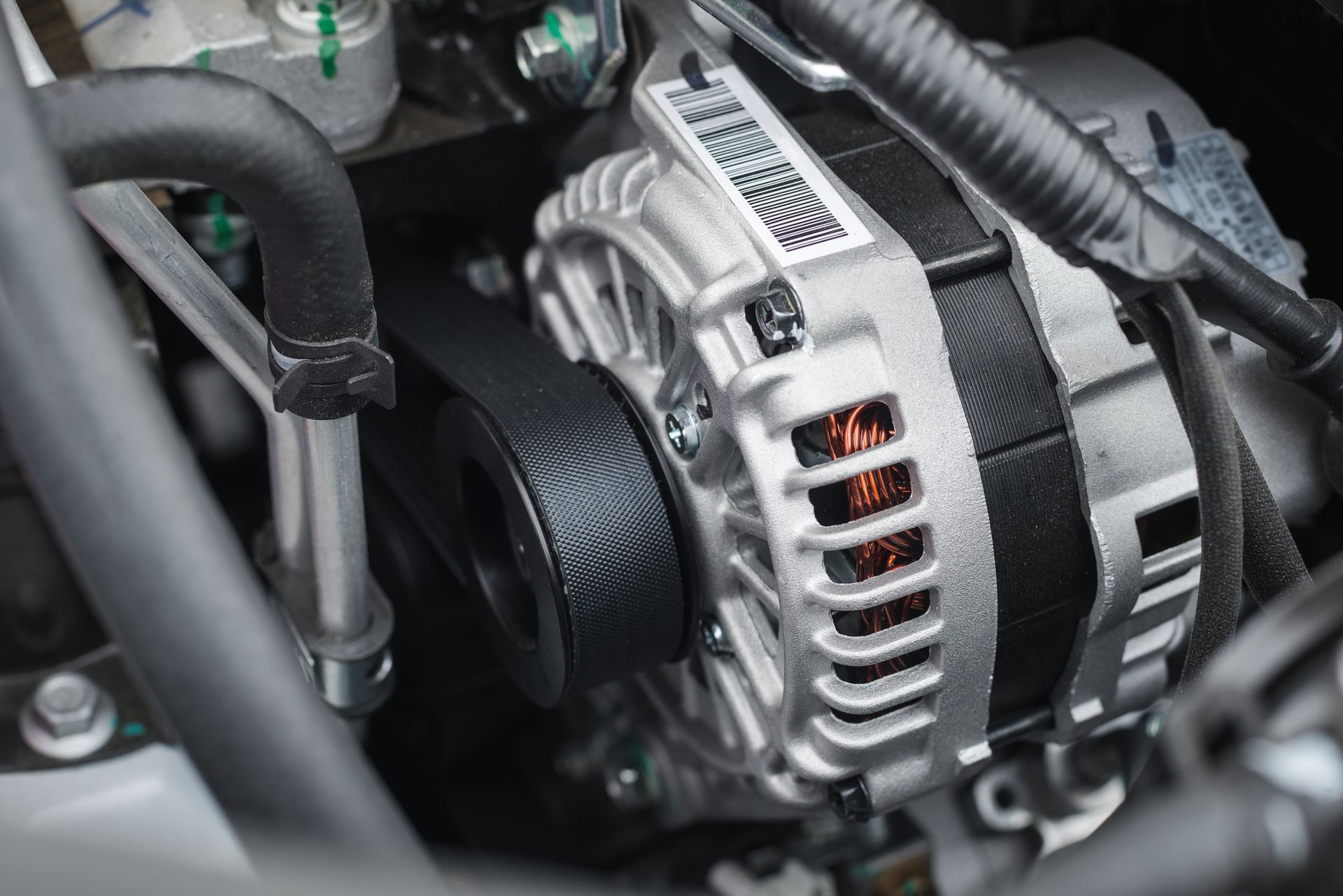
Professional evaluations often include battery testing, charging system analysis, cable inspections, and checks for corrosion or loose connections. Technicians may also examine alternators, wiring, and electronic modules to ensure everything is functioning properly.
Electrical failures can be difficult to predict without regular maintenance. By monitoring battery health and system performance throughout the year, businesses can reduce unexpected downtime and limit the need for emergency heavy duty truck repairs that disrupt schedules and productivity.
Assess Cooling and Climate Control Systems
The cooling system plays a vital role in protecting a truck’s engine from overheating. Seasonal temperature extremes can place additional stress on cooling components, particularly during periods of heavy operation. Preventive maintenance helps ensure the system can effectively regulate engine temperatures under changing conditions.
A professional inspection typically includes evaluating the radiator, coolant condition, hoses, water pump, and associated components. Technicians look for leaks, corrosion, blockages, or signs of wear that may affect cooling performance. Addressing these concerns early can help prevent serious engine damage.
Climate control systems are also important, particularly for drivers who spend long hours on the road. Reliable heating and air conditioning systems contribute to comfort, concentration, and overall driver well-being. Seasonal maintenance provides an opportunity to verify that these systems are functioning correctly before extreme weather arrives.
Maintaining cooling and climate control systems can improve vehicle reliability while reducing the likelihood of expensive heavy duty truck repairs resulting from overheating or component failure.
Review Suspension and Steering Components
Suspension and steering systems are responsible for vehicle stability, handling, and ride quality. Commercial trucks regularly encounter rough roads, uneven surfaces, construction zones, and changing environmental conditions that place stress on these components.
Seasonal maintenance inspections often include evaluations of shocks, springs, bushings, steering linkages, and related parts. Technicians look for wear, damage, looseness, or deterioration that may affect vehicle control. Signs such as excessive vibration, drifting, unusual noises, or uneven tire wear can indicate suspension or steering concerns.
Properly functioning suspension systems help distribute weight more evenly and improve ride comfort. Steering components that remain in good condition contribute to safer handling and greater driver confidence in challenging conditions.
Ignoring suspension or steering issues can lead to additional wear on other systems and increase repair costs over time. Working with professionals experienced in heavy duty truck repairs helps ensure these critical components remain in excellent operating condition throughout the year.
Maintain Exterior and Safety Equipment
The exterior of a commercial truck is exposed to harsh environmental conditions throughout every season. Rain, dirt, road debris, sunlight, and changing temperatures can all contribute to wear and deterioration. Regular inspections help maintain both appearance and functionality.
Technicians often evaluate mirrors, lights, windshield wipers, reflectors, and protective surfaces during seasonal maintenance appointments. Visibility-related equipment is especially important because weather conditions can change rapidly and create hazardous driving situations.
Safety equipment should also be inspected regularly. Emergency kits, warning devices, and other protective systems must remain accessible and functional at all times. Maintaining these items supports driver safety and helps businesses meet operational requirements.
Protecting exterior components can preserve vehicle value while reducing the likelihood of issues that eventually require major heavy duty truck repairs. A well-maintained truck also projects a more professional image and reinforces confidence among customers and clients.
Seasonal maintenance is one of the most effective ways to keep commercial trucks operating safely, efficiently, and reliably throughout the year. By focusing on key areas such as tires, brakes, fluids, batteries, cooling systems, suspension components, and safety equipment, businesses can minimize downtime and improve long-term vehicle performance.
Consistent inspections performed by qualified professionals help identify potential concerns before they become costly problems. Preventive maintenance not only protects valuable equipment but also supports driver safety, operational efficiency, and overall business success.
When it comes to preparing your fleet for changing seasons and reducing the risk of unexpected breakdowns, we at DT Services are ready to help. Our experienced team can work with you to keep your trucks performing at their best so we can maintain productivity, safety, and reliability throughout the year.