May 27, 2026
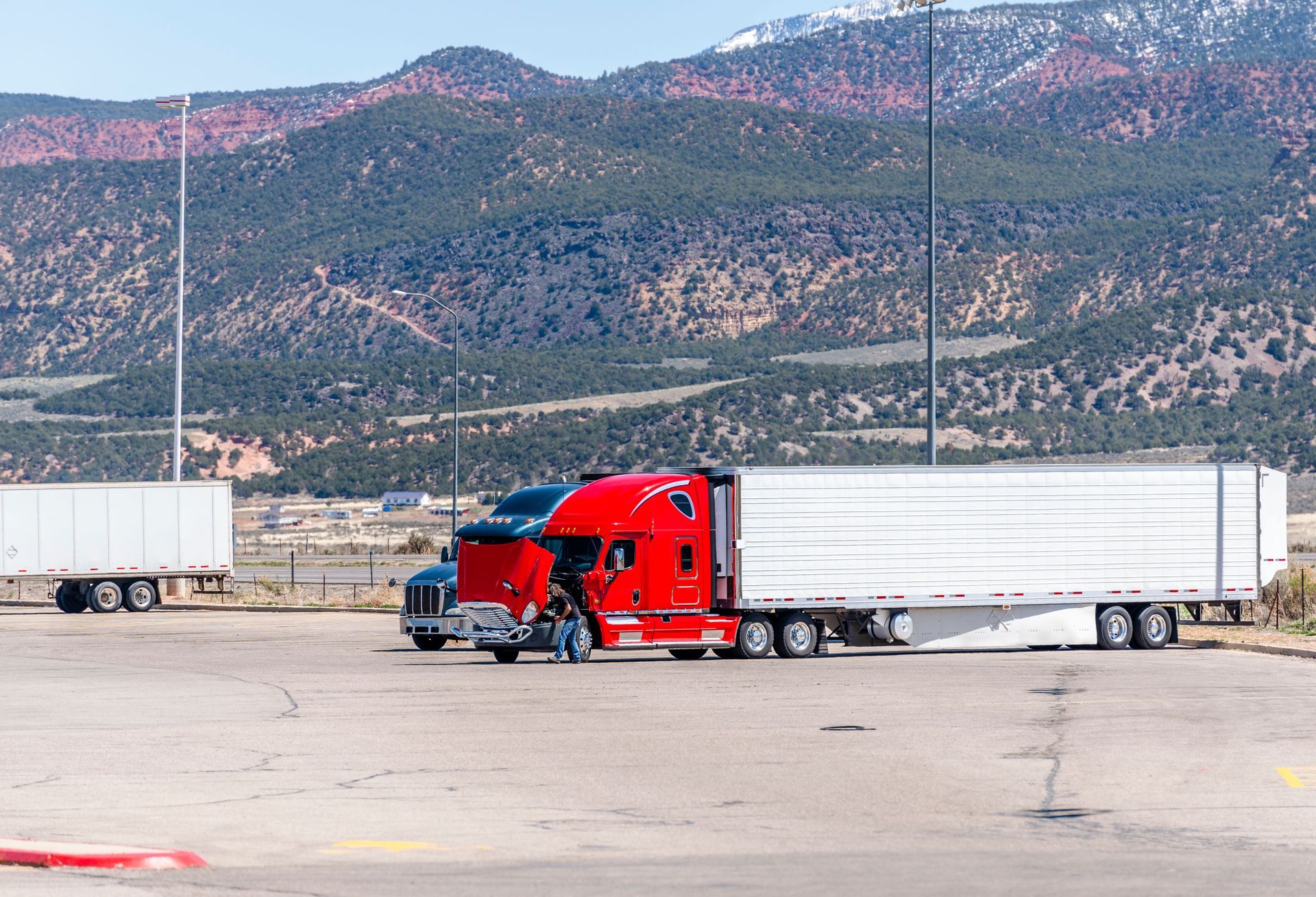
Commercial trucks are the backbone of many industries, from logistics and construction to agriculture and delivery services. These vehicles endure long hours on the road, heavy loads, and varying environmental conditions that can take a serious toll over time. Without proper care, even the most durable trucks can experience premature wear, costly breakdowns, and reduced efficiency. That’s why consistent maintenance is not just a recommendation—it’s a necessity for keeping operations running smoothly.
Regular service plays a vital role in preserving the longevity and performance of commercial trucks. By addressing small issues with fleet truck repair before they escalate into major problems, businesses can avoid expensive repairs and unexpected downtime. A proactive approach to maintenance also improves safety, fuel efficiency, and overall reliability. Understanding how routine care impacts the lifespan of these vehicles can help fleet managers make smarter decisions and protect their investments.
Preventive Maintenance Practices That Keep Trucks Running Strong
Preventive maintenance is the foundation of extending a truck’s lifespan. Routine inspections allow technicians to identify early signs of wear and tear, such as fluid leaks, worn belts, or deteriorating hoses. Addressing these issues promptly helps prevent larger mechanical failures that could sideline a vehicle for days or even weeks. Consistent servicing ensures that every component is functioning as intended, reducing the likelihood of sudden breakdowns.
Oil changes are one of the simplest yet most effective ways to maintain engine health. Over time, engine oil becomes contaminated with debris and loses its ability to lubricate critical components. Regular oil changes reduce friction, prevent overheating, and extend engine life significantly. When combined with timely filter replacements, this basic maintenance task can make a substantial difference in long-term performance.
Brake system inspections are another crucial element of preventative care. Commercial trucks rely heavily on their braking systems, especially when carrying heavy loads over long distances. Worn brake pads, damaged rotors, or low brake fluid can compromise safety and lead to more expensive repairs if ignored. Routine checks ensure that braking components remain in optimal condition, protecting both drivers and cargo.
Tire maintenance also plays a significant role in keeping trucks running efficiently. Proper inflation, regular rotations, and timely replacements help prevent uneven wear and improve fuel economy. Neglected tires can lead to blowouts, reduced traction, and increased stress on other vehicle components. Incorporating tire care into a regular fleet truck repair schedule helps maximize both safety and longevity.
Consistent Service Schedules That Reduce Unexpected Breakdowns
Establishing a consistent service schedule is key to minimizing unexpected breakdowns. Trucks that are serviced at regular intervals are less likely to experience sudden failures that disrupt operations. Scheduled maintenance provides a structured approach to vehicle care, ensuring that no critical component is overlooked. This level of organization is especially important for businesses managing multiple vehicles.
Despite the importance of scheduling, many fleets struggle to maintain a fully planned maintenance routine. According to Fleetio, 48% of fleets operate on a “half-scheduled, half unscheduled” basis when it comes to truck maintenance. This reactive approach often leads to higher repair costs and increased downtime. Shifting toward a more proactive strategy can significantly improve fleet reliability and reduce long-term expenses.
Routine diagnostics and inspections help identify potential issues before they become critical. Modern trucks are equipped with advanced systems that can alert technicians to developing problems. By addressing these alerts during scheduled service appointments, businesses can avoid costly emergency repairs. This approach also ensures that trucks remain compliant with safety regulations and industry standards.
Consistency in maintenance also improves record-keeping and performance tracking. Detailed service logs provide valuable insights into a truck’s condition and history. These records can help fleet managers make informed decisions about repairs, replacements, and upgrades. Incorporating regular fleet truck repair into a structured schedule ultimately leads to more predictable and manageable operations.
Proactive Component Care That Enhances Vehicle Longevity
Taking a proactive approach to component care is essential for extending the life of commercial trucks. Key systems such as the engine, transmission, and cooling system require regular attention to perform at their best. Neglecting these components can lead to costly failures and reduced efficiency. Routine servicing ensures that each part continues to operate smoothly under demanding conditions.
The cooling system, for example, plays a critical role in preventing engine overheating. Regularly checking coolant levels, inspecting hoses, and flushing the system as needed helps maintain proper temperature control. Overheating can cause severe engine damage, resulting in expensive repairs and extended downtime. Preventive care in this area is a simple yet effective way to protect the engine.
Transmission maintenance is equally important for long-term performance. Commercial trucks often operate under heavy loads, placing significant stress on transmission components. Regular fluid checks and replacements help reduce wear and ensure smooth shifting. Ignoring transmission maintenance can lead to major mechanical issues that are both costly and time-consuming to fix.
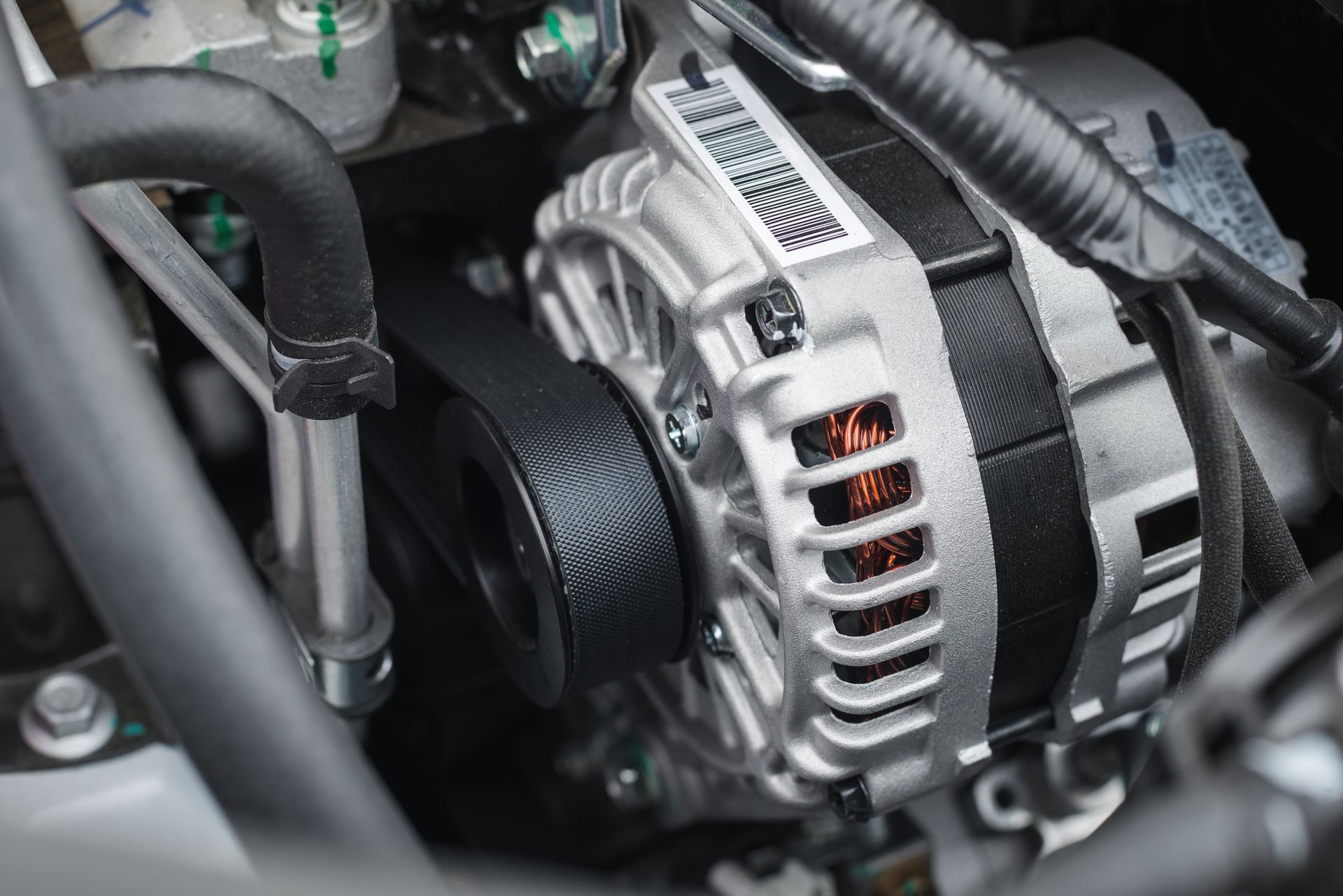
Electrical systems should not be overlooked when considering vehicle longevity. Batteries, wiring, and electronic components are essential for modern truck operations. Routine inspections can identify corrosion, loose connections, or failing parts before they cause disruptions. Incorporating these checks into a fleet truck repair plan helps maintain reliability and prevent unexpected failures.
Long-Term Cost Savings Through Routine Maintenance Efforts
Investing in regular maintenance may seem like an added expense, but it ultimately leads to significant cost savings. Preventive care reduces the likelihood of major repairs, which can be far more expensive than routine service. By addressing minor issues early, businesses can avoid the high costs associated with extensive damage. This approach also helps extend the usable life of each vehicle.
Fuel efficiency is another area where regular service can lead to savings. Well-maintained engines, properly inflated tires, and clean filters all contribute to better fuel economy. Even small improvements in efficiency can add up over time, especially for fleets that cover long distances. Consistent maintenance ensures that trucks operate at peak performance, reducing overall operating costs.
Downtime is one of the most significant expenses for businesses that rely on commercial trucks. When a vehicle is out of service, it can disrupt schedules, delay deliveries, and impact customer satisfaction. Regular servicing minimizes the risk of unexpected breakdowns, keeping trucks on the road and operations running smoothly. This reliability is crucial for maintaining productivity and profitability.
Additionally, well-maintained trucks tend to have higher resale value. Buyers are more likely to invest in vehicles with documented service histories and proven reliability. Keeping up with fleet truck repair not only benefits current operations but also provides long-term financial advantages. Proper maintenance protects the investment and ensures that trucks remain valuable assets over time.
Regular service is one of the most effective ways to extend the life of commercial trucks. By prioritizing preventative maintenance, businesses can reduce wear and tear, improve performance, and avoid costly repairs. Consistent care ensures that every component functions as intended, contributing to overall reliability and efficiency. This proactive approach is essential for maximizing the lifespan of these hardworking vehicles.
Incorporating routine inspections and scheduled servicing into daily operations is a smart investment for any fleet. From improving safety to reducing downtime, the benefits of regular maintenance are undeniable. Businesses that commit to ongoing care will see long-term rewards in both performance and cost savings. A well-maintained truck is not just a vehicle—it’s a dependable asset that supports continued success. Keep your trucks running efficiently and avoid costly downtime by partnering with DT Services for dependable fleet truck repair. Contact our team today to schedule service and keep your fleet performing at its peak.