April 8, 2026
Driving a semi-truck is a high-stakes endeavor where the reliability of your equipment directly dictates your success. In the logistics industry, a single mechanical failure does not just mean a trip to the shop; it translates to missed delivery windows, unhappy clients, and thousands of dollars in lost revenue. For many operators, the sheer scale of the workload makes maintenance a daunting task. According to Slashgear, a single semi-truck drives an average of 45,000 miles annually. This immense mileage puts an incredible amount of stress on every component, ranging from the engine cylinders to the tire treads. Understanding which parts are most likely to fail and how to keep them in peak condition is essential for any driver or fleet manager looking to stay profitable.
Maintaining Tire Integrity
Tire blowouts are among the most frequent reasons for roadside assistance calls and can lead to catastrophic accidents on the highway. High speeds combined with heavy loads create intense heat, which exacerbates any existing weaknesses in the tire structure. Under-inflation is a primary culprit because it causes the sidewalls to flex excessively, leading to internal heat buildup and eventual failure. Furthermore, uneven tread wear can indicate deeper mechanical issues like misalignment or suspension problems, which further shorten the lifespan of your rubber.
To prevent these costly semi truck repairs, operators must commit to a rigorous daily inspection routine. Checking tire pressure with a calibrated gauge before every trip ensures that you are running at the manufacturer’s recommended PSI for your specific load. Drivers should also visually scan for cupping, flat-spotting, or embedded debris that could cause slow leaks. Rotating tires every 10,000 miles, in our experience, and investing in professional wheel alignments annually are two of the most effective ways to ensure your tires wear evenly and last as long as possible.
Optimizing Brake Performance
The braking system of a semi-truck is its most critical safety feature, yet it is often subject to intense wear and tear. Air brake systems are complex and rely on a series of valves, drums, pads, and air lines to bring tons of weight to a halt. Common issues include air leaks in the lines, contaminated brake fluid, and worn-out brake pads or shoes. If a driver notices a spongy feel in the pedal or hears high-pitched squealing, it is a clear sign that the braking system is compromised and requires immediate professional attention to avoid a total failure.
Prevention starts with monitoring the air pressure gauges on the dashboard to ensure the compressor is maintaining the correct levels. During pre-trip inspections, drivers should listen closely for the sound of escaping air and check that the slack adjusters are properly positioned. Keeping the air dryers in good working order is also vital since moisture in the lines can lead to corrosion or freezing during the winter months. Regularly scheduled B-service inspections, which include measuring pad thickness and checking drums for cracks, are necessary to prevent emergency semi truck repairs related to stopping power.
Protecting Electrical Systems
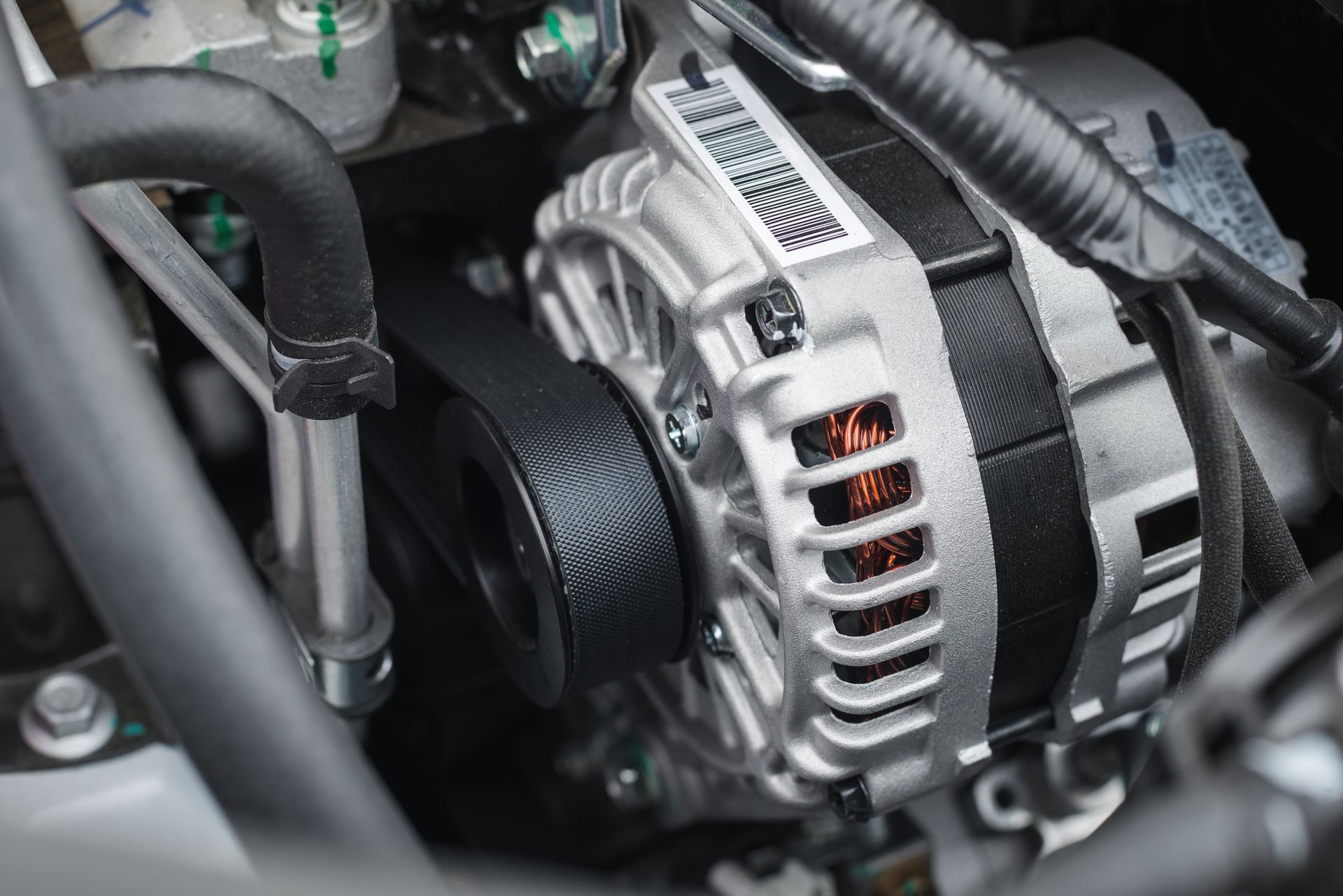
Modern semi-trucks are essentially rolling computers featuring miles of wiring and dozens of electronic sensors that control everything from fuel injection to lighting. Electrical failures often manifest as starting problems, flickering lights, or erratic dashboard warnings. Corroded battery terminals are a frequent but preventable issue, especially in regions where road salt is used heavily. If the alternator fails to provide a steady charge, the entire system can shut down and leave a driver stranded without power or communication.
A proactive approach to electrical health involves cleaning battery terminals with a wire brush and applying anti-corrosion spray every few months. Drivers should also inspect wiring harnesses for signs of fraying or rubbing against the chassis, which can cause shorts. Verifying that all marker lights, turn signals, and headlights are functional before every haul is not just a safety requirement but a way to spot early signs of voltage fluctuations. Addressing minor electrical glitches immediately prevents them from cascading into more expensive and complex semi truck repairs later on.
Managing Cooling Systems
Engine overheating is a major cause of downtime that can lead to permanent engine damage if not managed correctly. Semi-truck engines generate massive amounts of heat, and the cooling system must work perfectly to dissipate it. Leaking hoses are a common point of failure and are often caused by the constant vibration and temperature swings experienced over thousands of miles. A malfunctioning cooling fan or a clogged radiator can also cause temperatures to spike, which forces a driver to pull over immediately.
Preventive measures for the cooling system include regular pressure tests to identify hidden leaks that only appear when the engine is under load. It is also essential to use the correct concentration of antifreeze and to flush the system according to the manufacturer’s intervals to prevent scale buildup. During daily checks, operators should look for soft spots or cracks in the radiator hoses and ensure that the radiator fins are free of road debris like leaves and bugs. By keeping the engine running at its optimal temperature, you can avoid the high costs associated with major engine semi truck repairs.
Extending Engine Life
The diesel engine is the heart of the vehicle, and its longevity is directly tied to the quality of its lubrication and filtration. Clogged fuel filters can cause hard starts and reduced power, while old engine oil loses its ability to protect moving parts from friction. Over time, soot and contaminants can build up in the oil and lead to excessive wear on the pistons and bearings. Given that an engine overhaul can cost tens of thousands of dollars, maintaining the internal health of the powertrain should be every owner-operator’s top priority.
Consistent oil and filter changes are the most effective way to prevent catastrophic engine-related semi truck repairs. In our experience, most experts recommend changing the oil every 15,000 to 25,000 miles, depending on the age of the truck and the type of hauling being done. Utilizing oil analysis services can also provide a window into the engine’s health and identify metal shavings or fuel dilution before they cause a breakdown. Replacing fuel and air filters on a strict schedule ensures that the engine receives clean fuel and air, which improves fuel economy and reduces the strain on internal components.
Securing Suspension Components
The suspension system does more than just provide a comfortable ride; it protects the truck and trailer from the constant pounding of the road. Leaf springs, shock absorbers, and air bags are all prone to wear, especially when navigating uneven terrain or carrying maximum-weight loads. Broken leaf springs can cause the truck to lean or crab-walk down the highway, and this creates a significant safety hazard. Similarly, worn-out shocks can lead to excessive bouncing, which increases the wear on tires and other mechanical parts.
To prevent suspension-related semi truck repairs, drivers should regularly grease all fittings to reduce friction and wear on joints. Visual inspections are key, and operators should look for signs of oil leaking from shock absorbers or dry-rotting on airbags. It is also important to check the U-bolts and mounting hardware for tightness because loose components can lead to shifting and structural damage. Investing in a professional suspension evaluation during your annual DOT inspection will help you catch small cracks or sagging components before they result in an out-of-service violation.
Maintaining a semi-truck requires a balance of daily vigilance and professional expertise. From our work, we know that while the 45,000 miles covered annually by the average truck present constant challenges, a disciplined approach to preventative maintenance can significantly reduce the frequency of unexpected breakdowns. By focusing on the critical systems such as tires, brakes, electrical, cooling, engine, and suspension, you can ensure your vehicle remains a reliable asset rather than a financial liability.
When you need reliable support and professional expertise to handle your maintenance and repair needs, the right partner makes all the difference. For expert assistance and high-quality service you can trust, contact DT Services LLC today.