October 27, 2025

The Complete Guide to Hydraulic Cylinders (Function, Maintenance & Repair)

Author

Update First Last in Content -> Business Text -> First Last field

Date

October 27, 2025

Share

Hydraulic cylinders are the powerhouses of heavy machinery, delivering immense force and precision in everything from construction equipment to industrial presses. Whether you're dealing with leaking seals, weak performance, or complete failure, understanding how hydraulic cylinders work, how to maintain them, and how to repair common issues is crucial for keeping your equipment running smoothly.


In this guide, we’ll cover the function, maintenance, and repair of hydraulic cylinders, ensuring you can diagnose problems and maximize lifespan—especially if you're operating heavy-duty machinery in Idaho Falls, ID.


What Is a Hydraulic Cylinder?


A hydraulic cylinder is a mechanical actuator that converts fluid pressure into linear force and motion. Unlike electric or pneumatic actuators, hydraulic cylinders provide higher power output in a compact design, making them ideal for heavy equipment like excavators, loaders, and agricultural machinery.


Key Components of a Hydraulic Cylinder


  1. Cylinder Barrel – The outer shell that houses the piston and hydraulic fluid.
  2. Piston & Piston Rod – The moving part that extends and retracts, transferring force.
  3. Seals & Gaskets – Prevent fluid leaks and maintain pressure.
  4. Hydraulic Fluid – Transfers energy from the pump to the cylinder.
  5. End Caps & Mounts – Hold everything together and allow for attachment to machinery.


How Do Hydraulic Cylinders Work?


Hydraulic cylinders operate based on Pascal’s Law, which states that pressure applied to a confined fluid transmits force equally in all directions.


  1. Pressurized hydraulic fluid enters the cylinder through the inlet port.
  2. The fluid pushes against the piston, forcing the rod to extend.
  3. When the fluid is directed to the opposite chamber, the piston retracts.
  4. The controlled movement allows for lifting, pushing, or pulling with immense force.


Example: In a backhoe, hydraulic cylinders extend to raise the boom and retract to dig into the ground.


Common Hydraulic Cylinder Problems & How to Fix Them


1. Hydraulic Cylinder Leaks


A leaking cylinder is often due to damaged seals, scratched rods, or cracked barrel walls. Leaks lead to loss of power and contamination of hydraulic fluid.

How to fix:


  • Replace worn-out seals and O-rings.
  • Inspect the piston rod for scratches and polish if necessary.
  • Check for cracks in the cylinder barrel and replace if damaged.


2. Weak or Slow Cylinder Performance


If your hydraulic cylinder is moving slowly or lacking power, the issue is likely low hydraulic pressure, contaminated fluid, or internal wear.

How to fix:


  • Check hydraulic fluid levels and quality. Contaminated oil can clog valves.
  • Inspect for a worn-out piston seal, which allows fluid to bypass instead of generating force.
  • Ensure the hydraulic pump is delivering proper pressure.


3. Cylinder Won’t Extend or Retract


A stuck cylinder could mean blockages, broken seals, or air trapped in the system.

How to fix:


  • Bleed air from the system by cycling the cylinder multiple times.
  • Check for clogged hoses or valves and clean them out.
  • Ensure the control valve is functioning correctly.


4. Bent or Damaged Piston Rod


A bent rod causes uneven wear and can eventually jam the cylinder. This usually happens due to overloading or side-loading forces.

How to fix:


  • If the rod is mildly bent, it may be straightened using a hydraulic press.
  • If severely damaged, replace the piston rod.
  • Prevent future damage by aligning the load properly.


5. Overheating Hydraulic System


Excessive heat can break down hydraulic fluid, causing cylinder inefficiency.

How to fix:


  • Check for blocked coolers or dirty filters.
  • Use correct viscosity hydraulic fluid for your operating conditions.
  • Reduce excessive cycling of the cylinder under heavy loads.


Hydraulic Cylinder Maintenance Tips


Preventative maintenance can significantly extend the lifespan of your hydraulic cylinders and reduce costly downtime.


Daily & Weekly Maintenance


  • Check for leaks around seals and fittings.
  • Inspect for rod damage and corrosion.
  • Ensure hydraulic fluid levels are correct.


Monthly Maintenance


  • Clean and replace filters to keep contaminants out.
  • Lubricate moving parts where applicable.
  • Cycle cylinders fully to prevent fluid stagnation.


Annual Maintenance


  • Perform a full hydraulic system flush.
  • Replace worn seals and hoses.
  • Inspect all mounting brackets and pins for wear.


When to Repair vs. Replace a Hydraulic Cylinder


Repair if:


  • The seals, gaskets, or minor parts are worn out.
  • The piston rod is slightly bent but can be fixed.
  • The cylinder has minor surface scratches.


Replace if:


  • The barrel is cracked or deeply gouged.
  • The piston rod is severely bent beyond repair.
  • The cylinder no longer holds pressure even after multiple repairs.


Why Professional Hydraulic Cylinder Repair Matters


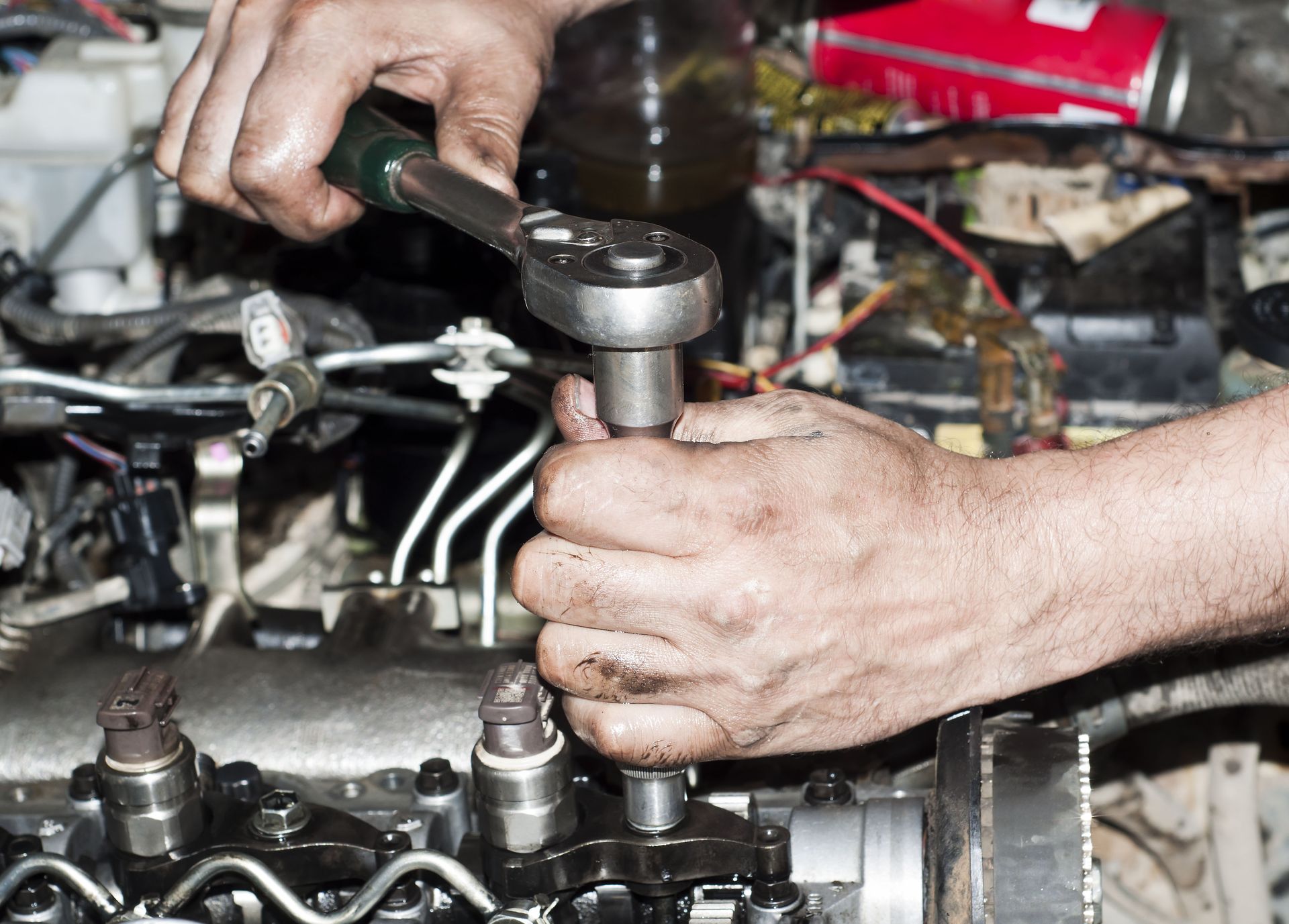
While basic maintenance can be done in-house, complex repairs require specialized tools and expertise. At DT Services in Idaho Falls, ID, we provide:


Precision cylinder repair – Rebuilding and resealing for maximum performance.
Hydraulic system diagnostics – Ensuring all components work in sync.
Custom cylinder fabrication – When a replacement is needed.


Need hydraulic cylinder repair in Idaho Falls? Contact DT Services today!

heavy duty truck repairs
June 9, 2026
Follow this seasonal maintenance checklist to reduce breakdown risks, improve performance, and minimize the need for heavy duty truck repairs.
fleet truck repair
May 27, 2026
Discover how regular maintenance and proactive fleet truck repair extend the life of your commercial vehicles, reduce costly downtime, and maximize savings.
mobile diesel mechanics
May 1, 2026
Read our blog to discover the four benefits of mobile diesel mechanics. If you're looking for diesel truck services, contact our team today!
semi truck repairs
April 8, 2026
Keep your fleet moving by mastering semi truck repairs. Discover the most frequent breakdowns, from brakes to electrical, and pro tips to prevent them.
April 2, 2026
Trust certified Cummins generator repair technicians to keep your system safe, reliable, and running efficiently with expert maintenance and service.
fleet truck repairs
March 5, 2026
Keep your fleet reliable and profitable with regularly scheduled fleet truck repairs. Learn how proactive maintenance reduces downtime and extends vehicle life.
heavy duty truck repairs
February 3, 2026
There are a few heavy duty truck repairs that will keep your fleet rolling. Keep reading or contact us today to learn more.
diesel truck parts
January 17, 2026
If you're a truck driver, it's critical that you stay informed about the diesel truck parts that your vehicle has. Read on to learn more about these parts.
mobile diesel mechanic
December 2, 2025
Keep your fleet running efficiently with a mobile diesel mechanic. Minimize downtime, cut repair costs, and get professional on-site service when you need it.
Three aluminum radiators, possibly for vehicles, sit on a gray concrete floor, leaning against a metal cart.
October 28, 2025
When considering how to enhance your truck’s performance, many focus on engine enhancements, turbochargers, or ECM tuning. However, a crucial yet often overlooked component is your radiator. It can be the key to unlocking better performance, whether you’re hauling hay over mountains, towing farm equipment across the Snake River Plain, or sitting in traffic during a hot Idaho Falls summer. Upgrading to a high-quality radiator can make a significant difference. Let’s explore the three main reasons why upgrading to a premium radiator can boost your truck's performance. 1. Improved Heat Dissipation Means a Cooler, Stronger Engine Heavy-duty diesel engines generate substantial heat due to combustion and the movement of large quantities of metal and fluid through your drivetrain. The radiator primarily dissipates this heat from the engine coolant. A typical factory radiator performs adequately for moderate loads. However, when you push your truck to its limits—such as hauling livestock trailers, climbing steep grades on US-26, or working in triple-digit summer heat—it may have difficulty maintaining proper coolant temperatures. This can lead to heat soak, reduced efficiency, and even early engine wear. Upgraded radiators often include the following features: Larger surface areas for better airflow. More durable cores to handle higher pressures. Advanced fin designs for greater heat transfer. Maintaining your coolant—and consequently your engine—at the ideal temperature guarantees steady horsepower, improves fuel efficiency, and prevents expensive overheating issues. 2. Enhanced Reliability Under Heavy Loads If you’ve ever had to pull over on I-15 with steam escaping from under the hood, you understand that an overheating engine can do more than just delay your plans. Overheating isn’t merely an inconvenience; it can cause warped cylinder heads, blown head gaskets, or even complete engine seizure. Upgrading to a heavy-duty radiator offers: Greater fluid capacity for improved thermal stability. Stronger welds and thicker materials that resist cracking from vibrations. Enhanced clog resistance, resulting in fewer blockages caused by mineral deposits or debris. This is especially crucial when transporting heavy loads across Eastern Idaho’s diverse terrain, where extended mountain ascents or slow farm roads can continuously stress your cooling system. It also acts as a protective measure during Idaho’s cold winters—preventing coolant blockages that could cause dangerous freeze-ups. 3. Better Performance for the Whole Cooling System Your radiator is an integral part of a larger coolant system, which also comprises your water pump, fan clutch, oil cooler, and transmission cooler. Improving your radiator boosts the entire system's efficiency. Here’s an overview of how it functions: Lower engine temperatures cause your fan clutch to engage less often, saving mechanical energy and slightly improving fuel efficiency. Your oil and transmission coolers benefit from lower overall heat, which extends fluid life and prevents breakdowns. With steady temperatures, your truck’s ECM prevents power reduction to safeguard the engine, helping you keep full torque when it's most needed. Think of it like this — by easing the load on your radiator, you’re easing the load on your whole truck. When to Consider a Radiator Upgrade You don’t need to wait for a major failure to justify replacing a radiator. Think about upgrading if you notice: Frequent temperature spikes when under load. Slower acceleration or decreased pulling power after long climbs. Coolant leaks or visible corrosion on your existing radiator. You’re hauling or towing in extreme temperatures—whether it's the summer heat or the freezing winters. Even if your current radiator hasn’t failed yet, replacing it beforehand is a smart preventive maintenance step. The Bottom Line Upgrading your radiator isn’t just about lowering your coolant temperature by a few degrees — it’s about unlocking your truck’s full potential. Better heat management provides more consistent power, reduces downtime, and cuts down on costly repairs. For Idaho drivers working in tough, high-demand conditions, it’s a relatively small investment that pays off in improved performance and reliability. If you’re ready to provide your truck with the cooling capacity it requires, consult a heavy-duty repair expert in Idaho Falls who is well-versed in diesel systems. Upgrading your radiator today might save you thousands in repairs—and ensure your truck keeps up with your demanding workload.
Show More